
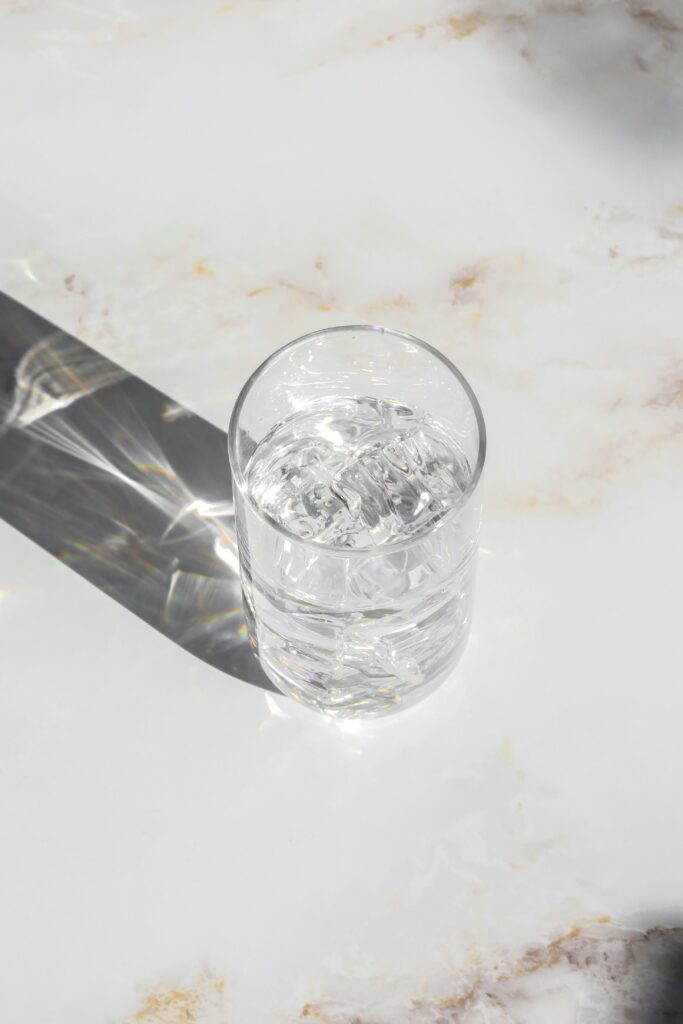
One of the easiest swaps we made in our kitchen was switching from a plastic filter pitcher to a glass one. Sounds simple, but it’s actually harder to find than you’d think: most filter pitchers with a serious filtration system still use a plastic reservoir. Finding one that stores the water in glass, with a filter that actually goes beyond just improving taste, took some digging.
That’s how we landed on the LifeStraw Home Glass Pitcher. Hand-blown borosilicate glass base, silicone bottom, and a dual-stage filter that removes a lot more than chlorine.
What Most Filter Pitchers Miss
Standard pitchers like Brita or PUR mostly improve taste and odor by reducing chlorine. That’s it. If you’re looking to reduce exposure to lead, PFAS, or microplastics, most common filter pitchers don’t touch those at all. And almost all of them store your water in plastic, which felt counterproductive once I started paying attention to what our water was actually sitting in between uses.
The other thing worth knowing: a “BPA-free” label on a pitcher doesn’t tell you much about the other compounds that might be present. It just means that one specific chemical isn’t there. For a pitcher that lives in our fridge and our family drinks from every day, I wanted something tested more thoroughly than that.
What to Look for in a Glass Filter Pitcher
Before landing on the LifeStraw, here’s what I was actually checking:
- Glass reservoir, not just glass-look. Some pitchers have a glass exterior but a plastic inner liner. Worth reading the product description carefully before buying, not just looking at the photos.
- Filtration that goes beyond taste. Look for NSF certifications on the label, specifically NSF 53 (heavy metals like lead) and NSF 401 (emerging contaminants like PFAS). These are independently verified standards, not just brand claims.
- What it keeps, not just what it removes. Some filtration systems strip everything out, including beneficial minerals. A good filter removes contaminants while keeping things like magnesium and potassium in the water.
What We Use: LifeStraw Home 7-Cup Glass Pitcher
The water sits and is stored in glass, not plastic. The filter housing itself is BPA-free plastic (that’s true of most filtration systems), but it’s independently tested and certified to confirm it doesn’t leach into the water, which matters more to me than just a BPA-free label.
On the filtration side, it uses a dual-stage system: a membrane microfilter that removes bacteria, parasites, and microplastics, and an activated carbon and ion exchange filter that reduces lead, mercury, PFAS, pesticides, and chlorine, while keeping beneficial minerals like magnesium and potassium in the water. It’s certified to NSF standards 42, 53, 401, and P231, which covers everything from taste improvement through to heavy metals and microplastics.
For our family this is the kind of swap that just makes sense, cleaner storage, better filtration, one less plastic container living in our fridge.
A Few Things to Know Before You Buy
Two filters, two replacement schedules. The membrane filter lasts about a year, the carbon filter needs replacing every two months. Worth setting a calendar reminder so you’re not running on an expired filter without realizing it.
Check your fridge clearance first. The pitcher is tall and slim, and a few buyers have had to remove a fridge shelf to fit it. The 7-cup is more fridge-friendly than the 10-cup if space is tight.
It fills slowly (good things take time!). Water works through both filter stages, so it takes a little longer than a standard pour-through pitcher. Not a dealbreaker, just worth knowing going in.